Bangkok Food Guide
Japanese Restaurants in Bangkok: The 5 Locals Actually Eat At
5 Japanese restaurants in Bangkok worth crossing town for, from a members’ canteen on Sathorn to a yakitori house hidden up a Patpong car park ramp.
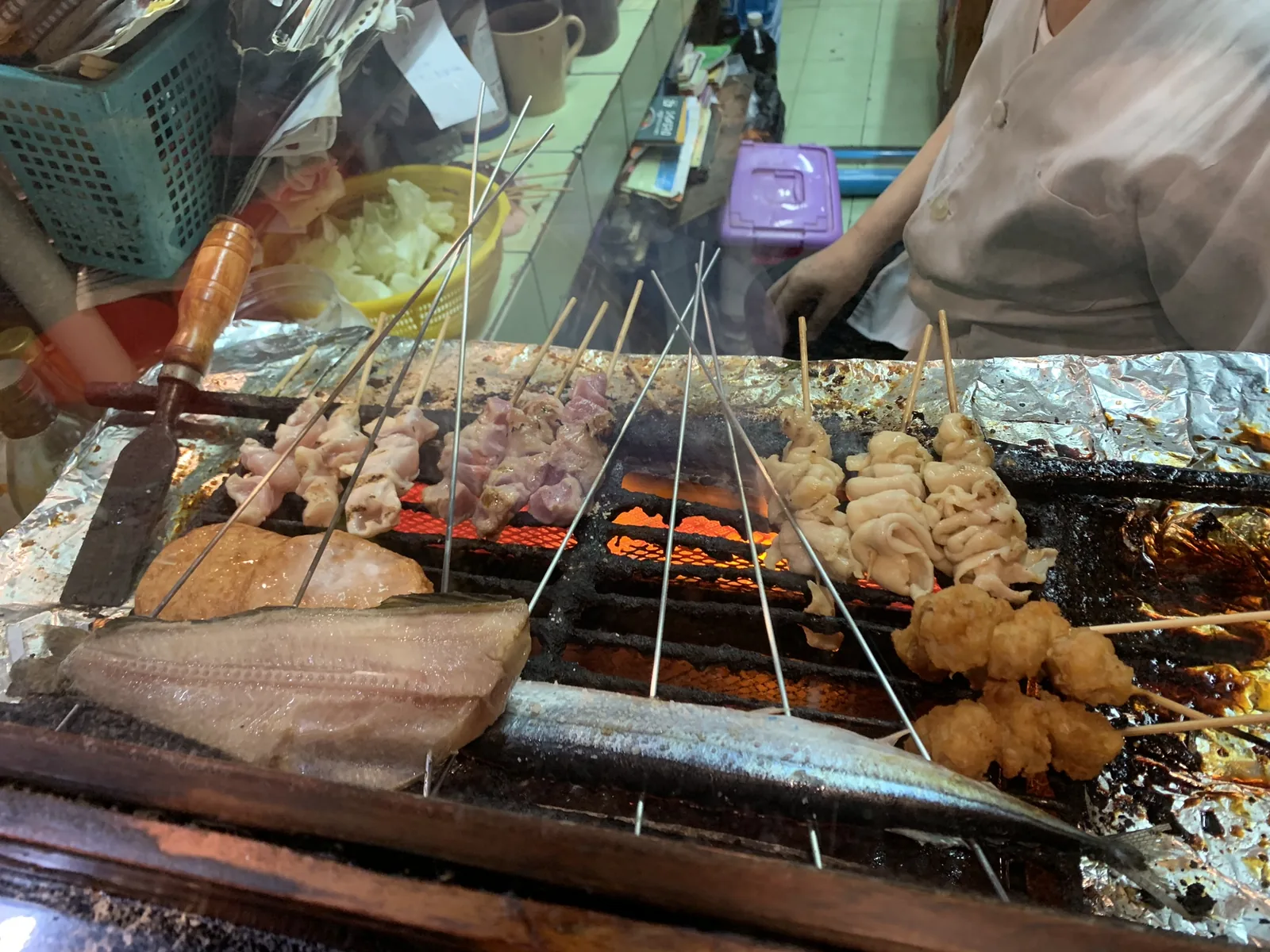
There are more Japanese restaurants in Bangkok than anywhere outside Japan, and most guides send you to the same handful.
At a glance
- Best for a full set meal
- Tonsei
- Best value
- The Japan, if you can eat at 11am or hold out until 1:30
- Best on your own
- Kikyo
- Best tonkatsu
- Katsushin
- Best after midnight
- Ramen Shintaro
The chains are fine for what they are. Ootoya and Fuji do exactly what they say on the sign, and Maguro is reliable. They’re not on this list because you don’t need a guide to find them. These 5 came out of more than 30 Japanese restaurants in Bangkok I’ve eaten at over the years, around 15 of them close enough to argue about. Mostly around the Japanese enclaves, Thaniya Street and Phrom Phong, plus the standalone places in between. I paid for every meal, and nothing here rests on a single visit.
They’re ranked on how Japanese the room actually feels, how good the food is, and whether the bill makes sense at the end. That last one matters more than it sounds. It’s easy to get comfortably ripped off in Bangkok, especially at omakase counters, and every place here gives you your money’s worth.
◆ Why Thaniya Street is not on this list
The most Japanese street in Bangkok is also the one that will not seat you
Thaniya Street, running off Silom by the BTS, is the oldest Japanese enclave in the city and the obvious place to send you. Its absence here is deliberate. Most of the restaurants along it sit above or beside hostess clubs and work as members’ rooms in practice: Japanese-language menus, no English signage, and staff who’ll tell a walk-in the place is full while the room behind them sits half empty.
That’s not a complaint. It’s who they’re built for. But sending you up those stairs to be turned away helps nobody. The 3 Silom and Sathorn entries below sit within a few minutes of Thaniya and will actually feed you.
Tonsei: The Tonkatsu Shop Where You Order the Tempura
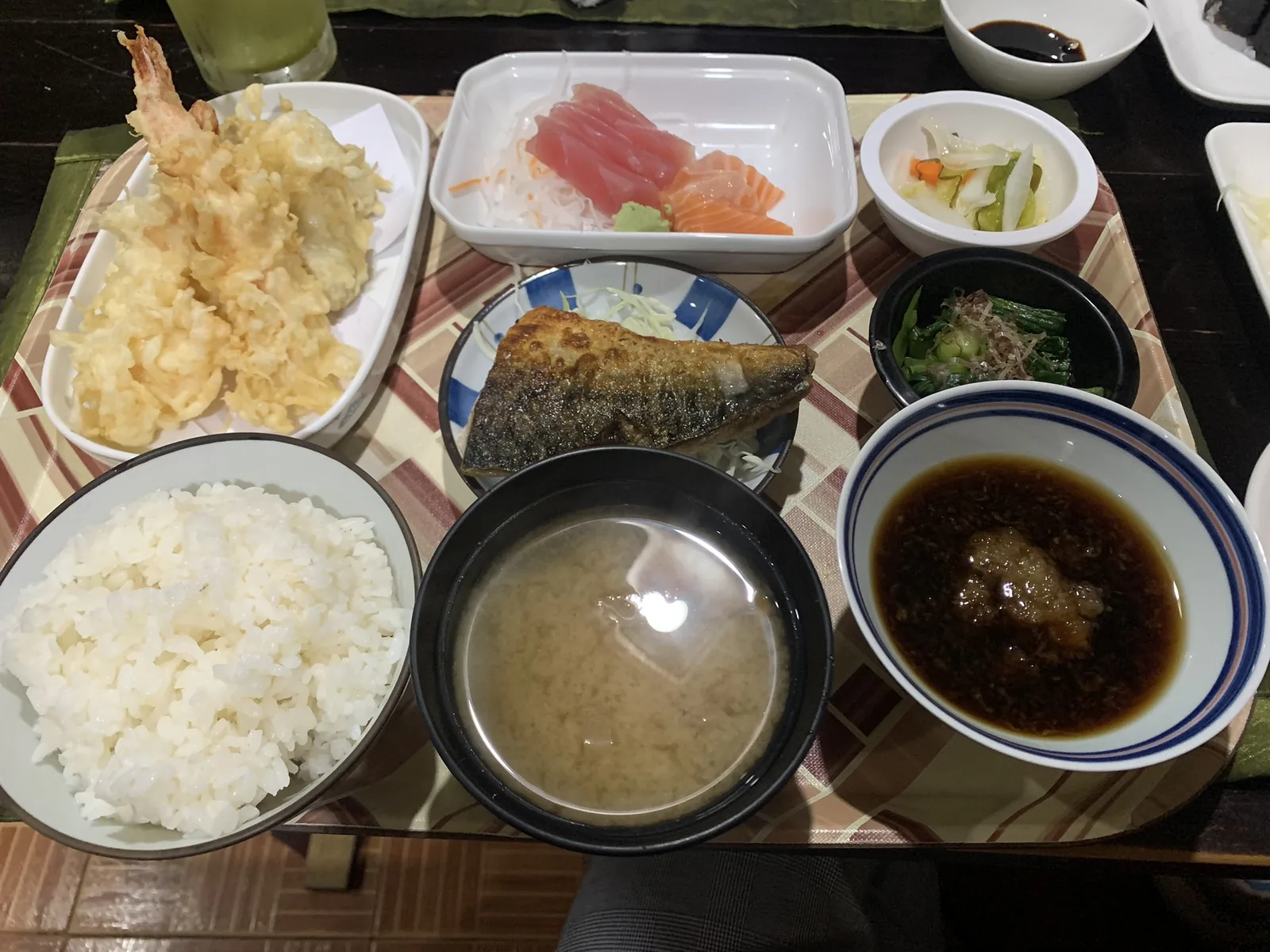
Tonsei is a tonkatsu shop where the teishoku sets outshine the tonkatsu. The tempura teishoku runs around 200 baht, arrives as a proper spread, and the portions are bigger than the price suggests. For that money you’re eating better than places charging twice as much manage. It’s the closest thing on this list to eating in Japan.
The room is a narrow unit over 2 floors at the mouth of Soi 26, beside the UOB building. It’s been there more than 40 years with the same Japanese chef. There’s an English menu too, which makes it the easiest place here to walk into without a plan.
Weekends are quiet enough that you’ll get a seat without waiting. Weekday lunch reportedly fills with the Sukhumvit office crowd, though that one is second-hand.
If it’s specifically tonkatsu you’re after, Katsushin further down does it better. Come here for the sets.
View on Google Maps
The Japan: The Members’ Canteen That Does Not Check
Timing is everything here. This is the ground floor of an office building on Sathorn, the surrounding towers empty out at lunch, and at noon on a weekday you’ll queue longer than you’ll eat. 11 in the morning gives you a chance at a seat, 1:30 is the better bet, and evenings are easier than either. That queue is the only reason this sits at 8 rather than 9. The food would carry a 9 on its own.
The restaurant sits inside the Japanese Association, first floor, straight ahead through the entrance. If there’s a queue you sign in at reception. If there isn’t, walk straight through. Nobody checks whether you’re a member, and by one count around 8 in 10 people eating there are Thai.
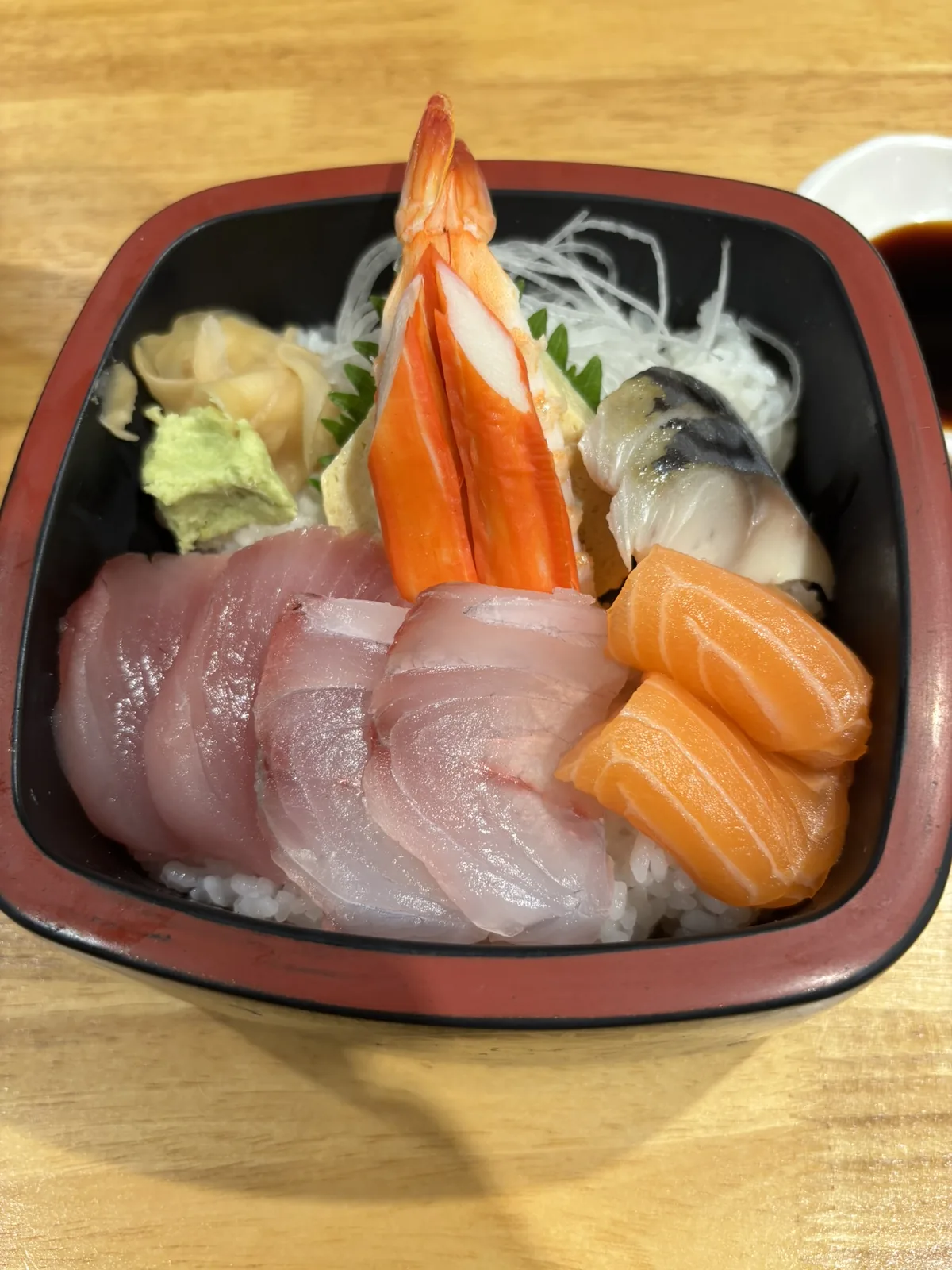
The chirashi special is what to order: assorted fresh seafood over Japanese rice, roughly 200 to 230 baht depending on the day and the cut. Everything else on the menu is good enough that choosing takes a minute, which is rare for a canteen. The green tea is free, it’s better than it needs to be, and it keeps coming.
Katsushin, below, is the meal you plan a day around. This is the one you slot into a working week.
View on Google Maps
Kikyo: Yakitori Up a Car Park Ramp
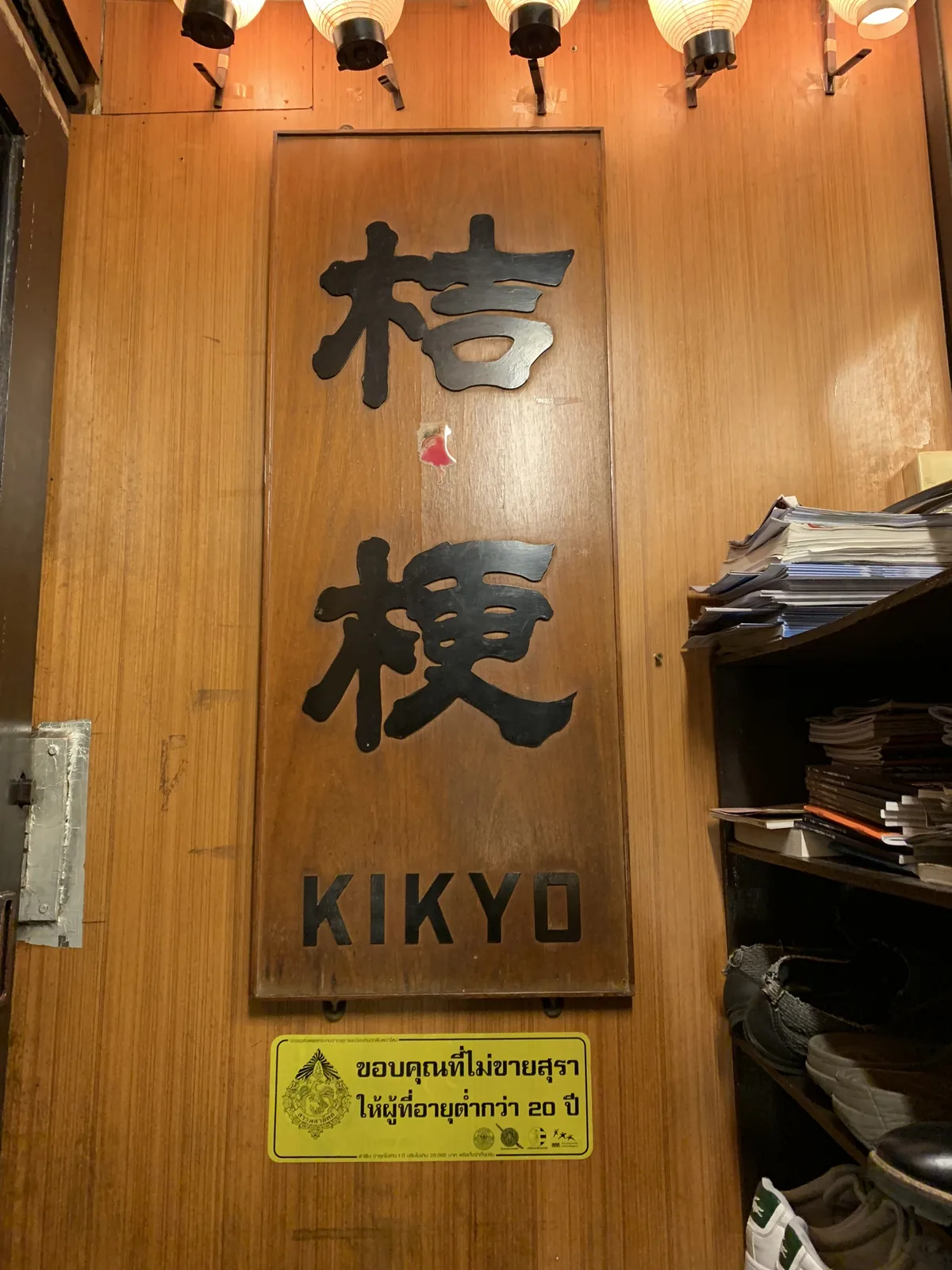
Getting in is half the pleasure. You walk through the Foodland car park off Patpong, past the barrier and up the ramp, through a stretch of Bangkok that’s more red-light than restaurant. Then a red lantern appears above a set of blue steel stairs, with old Japanese film posters lining the way up. It’s been a yakitori house since 1983, and the approach gives away none of that.
Inside there are 3 tables and about 10 counter seats, so the room fills fast. Booking on the day can work, but with a group you’ll want to reserve a table ahead. On your own, take the counter.
Skewers come as 3-piece plates at 90 baht a cut, and the yakitori is the reason to come. Cash only, and shoes off at the door.
It’s level with The Japan on score, and sits below it here only because The Japan is a meal you can have every week where this is one you plan. The 8 is for the room and the counter as much as the grill.
The owner has died since my last visit, and a 2025 review says standards slipped afterwards, pork especially. I haven’t been back to check, so treat this as a recommendation as of that visit rather than today.
View on Google Maps
Katsushin: If You Only Eat Tonkatsu Once in Bangkok
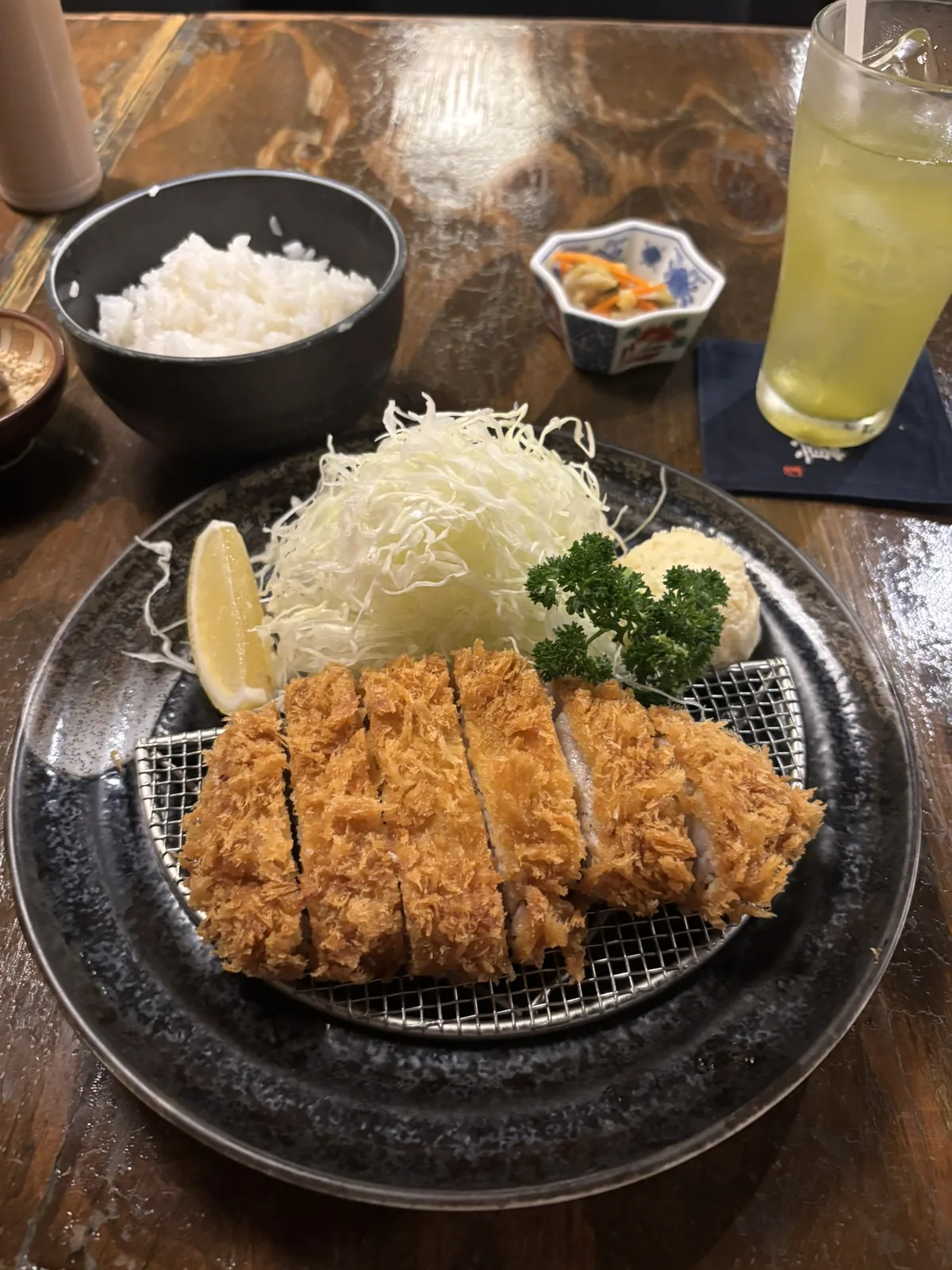
The Surawong shophouse is the original, and it serves the best tonkatsu in the city. Branches have opened since, including one in Central Chidlom late in 2025, but they’re a different experience. A mall food floor can’t do what 3 floors of an old Bang Rak shophouse does, and the gap is obvious the moment you sit down.
The ground floor gets crowded, so ask for one of the 2 floors above if you want a quieter meal.
The menu runs long: loin, fillet, miso katsu, and mixed plates that bring prawn and salmon alongside the pork. Cabbage comes shredded and unlimited, and so does the rice, which is how this should be done and increasingly isn’t. The interior is properly traditional rather than styled to look that way, and the staff are trained to a standard that’s quietly disappeared elsewhere in the city.
Cards are accepted above 500 baht, and it’s worth a phone booking if you’re coming at lunch. It’s the most expensive meal on this list, and that, not the cooking, is what holds the score at 7.5.
View on Google Maps
Ramen Shintaro: The 2am Bowl
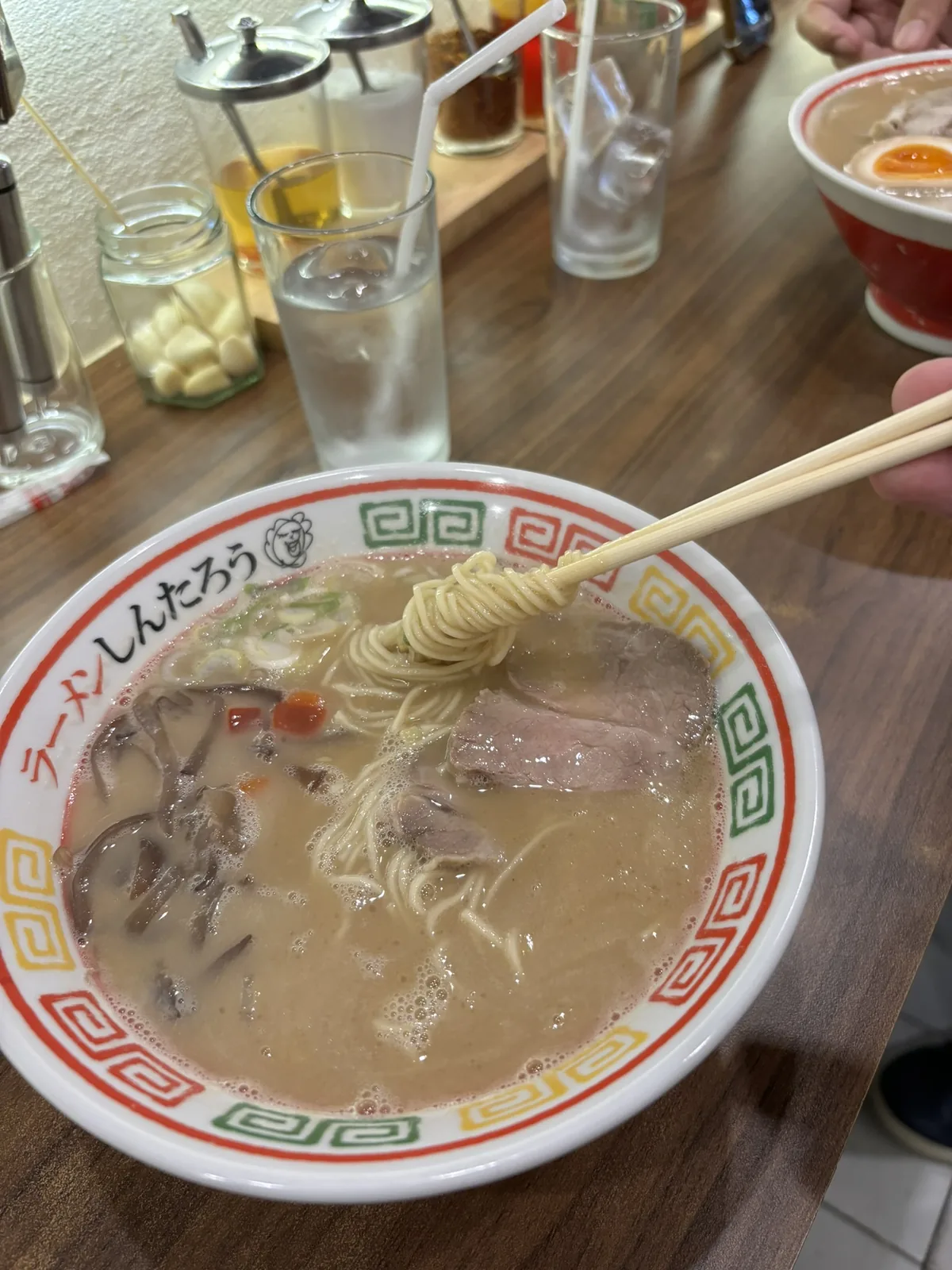
Every other place here has shut by 10:30. This one opens at 4 in the afternoon and runs until 6 in the morning.
It comes into its own somewhere between 1 and 3 in the morning, when the room fills with people who’ve been drinking on Sukhumvit and want something hot before bed. Shintaro-san is usually on the floor greeting people himself, which sets the tone. The other diners are in much the same state you’re in, so expect a conversation you didn’t plan on having.
The menu is short and focused. Tonkotsu is the default, the spicy miso is what everyone else at the table seems to order, and both come in mid and large. It isn’t cheap for what the room looks like, and the reviews knock it for exactly that. At 2 in the morning that stops mattering.
It ties with Katsushin on score and sits below it for one reason: Katsushin is good on any day of the week, where this is only right after midnight. It pairs with a night out rather than replacing one. Start on a Bangkok rooftop bar and end here.
View on Google Maps
Practical Notes for Japanese Restaurants in Bangkok
Japanese Restaurants in Bangkok: FAQ
Which part of Bangkok has the best Japanese food?
Sukhumvit between Phrom Phong and Thong Lo has the highest concentration, and Thaniya Street near Silom is the older Japanese enclave. 3 of the 5 here sit on the Silom and Sathorn side, which is less obvious and cheaper than the Sukhumvit strip. The hotels near the BTS put most of this list within a few stops.
Do these places have English menus?
Tonsei does, and Katsushin carries English set names. The Japan is a canteen where pointing works fine. Kikyo and Ramen Shintaro are harder, though at both the order is simple enough that skewers or a bowl of tonkotsu will get you there.
Do I need to book a Japanese restaurant in Bangkok?
Kikyo, yes, especially for a table, since there are only 3. Katsushin is worth a phone call at lunch. The Japan doesn’t take reservations at all and runs a queue ticket at peak. Tonsei and Ramen Shintaro are walk-ins.
Is Japanese food in Bangkok cheaper than in Japan?
At the canteen end, yes. The Japan does a seafood rice bowl for roughly 200 to 230 baht, which is hard to match in Tokyo. At the top end the gap closes fast, and omakase in Bangkok is often worse value than you’d get in Japan.
Which one if I only have 1 night in Bangkok?
Tonsei. Around 200 baht for a full teishoku, an English menu, and no queue to plan around, which makes it the easiest good meal to land on a single night. If tonkatsu specifically is the craving, Katsushin cooks it better, though you pay more and queue at lunch.
Staying near the good stuff?
3 of these 5 are a short walk from Sala Daeng and Chong Nonsi, so a Silom or Sathorn base puts most of this list on foot. Compare rates before you book, or start with the Bangkok hotels guide.
This page contains affiliate links. If you book through them, I may earn a small commission at no extra cost to you. This helps support Wandering Asia.
Image Credits
- Japanese restaurants in Bangkok (lead) / Wandering Asia
- Katsushin, Surawong / Wandering Asia
- The Japan, Japanese Association in Thailand, Sathorn / Wandering Asia
- Kikyo, Silom Soi 4 / Wandering Asia
- Tonsei, Sukhumvit 26 / Wandering Asia
- Ramen Shintaro, Sukhumvit 47 to 49 / Wandering Asia