Chiang Mai / Where To Stay / Northern Thailand
Where to Stay in Chiang Mai: A Neighborhood Guide
Pick the right area before you pick a hotel. A neighborhood-by-neighborhood guide from years of trips, built to match the city to your kind of traveler, then point you to the rooms I have actually paid for and slept in.

The single biggest decision in Chiang Mai is not which hotel to book. It is which neighborhood to book it in, because the city is a set of distinct districts that feel nothing alike.
So this is a guide to where to stay in Chiang Mai by the kind of trip you are taking, not a ranked list of rooms. Get the area right and an average hotel still gives you a good trip. Get it wrong and even a lovely room leaves you stuck in traffic or a 15-minute ride from everything you came for.
I have been coming to Chiang Mai for years and have paid for stays across the city and up in the hills. This page sorts the main areas by who they suit, what they feel like, how you get around, the rough price feel, and the one honest downside of each. Where I have a real stay in an area, I link the full review so you can go deeper. For the full hotel lineup, this sits on top of the Chiang Mai hotels hub.
| Neighborhood | Best for | Vibe | Price feel |
|---|---|---|---|
| Old City | First-timers, temples, culture | Historic, walkable, calm | Budget to mid |
| Nimman | Cafes, nightlife, digital nomads | Trendy, busy, modern | Mid |
| Mae Rim | Families, nature, resort pools | Green, spread out, quiet | Mid to high |
| Riverside | Couples, repeat visitors, calm | Upscale, leafy, slow | Mid to high |
| Santitham | Budget travelers, long-stay nomads | Local, dense, unpolished | Cheapest |
| Night Bazaar | Shoppers, big-hotel families | Touristy, central, lively | Mid |
Chiang Mai is compact, so none of these are far apart on a map. Even so, a 10-minute ride between Nimman and the Old City changes the entire texture of a trip, so the differences below matter more than the distances suggest.
Old City: Temples, History, and the Easiest First Trip
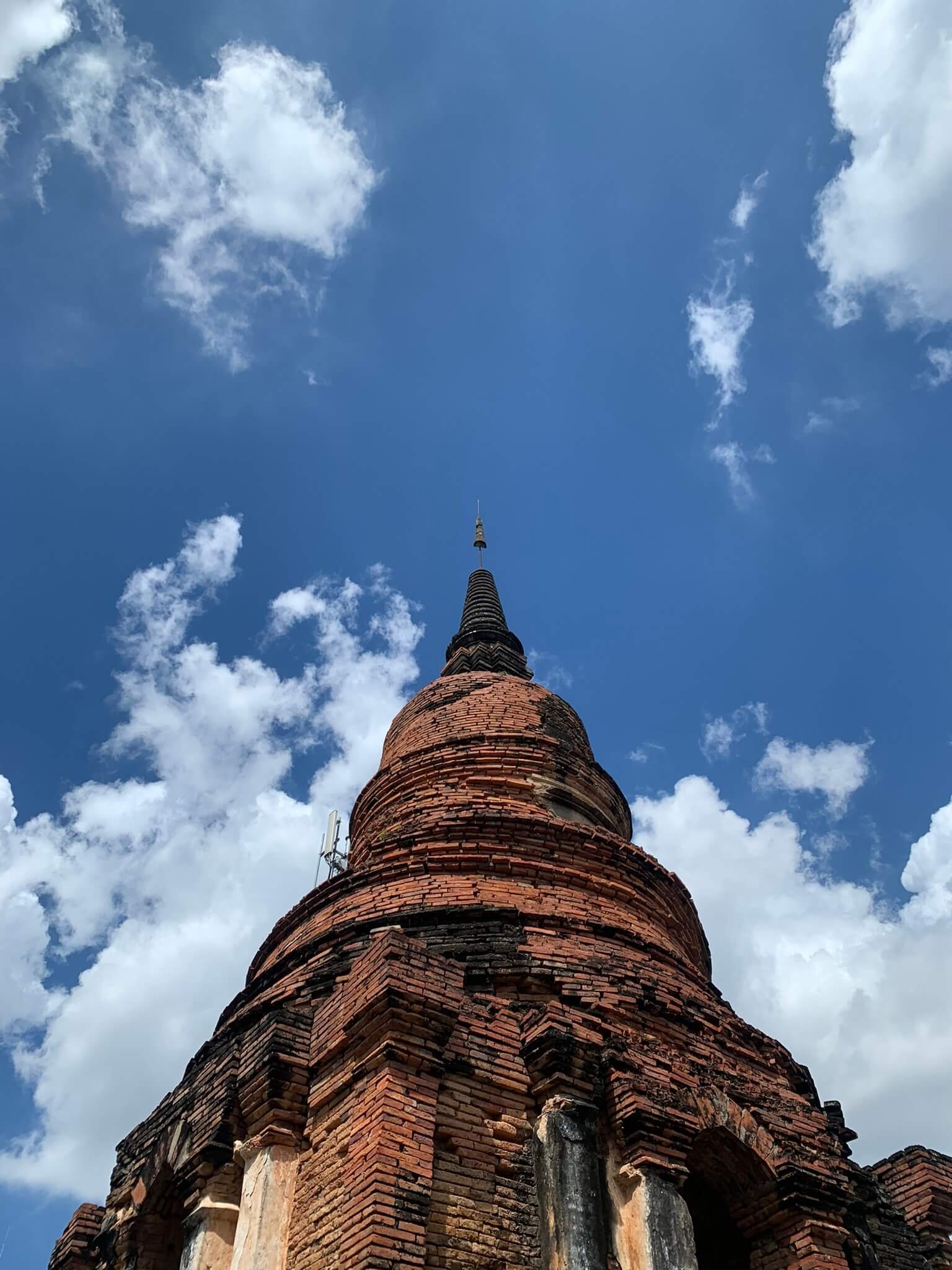
The Old City is the square kilometer inside the moat and the old walls, and it is the answer for most first trips. The big temples are here, Wat Phra Singh (วัดพระสิงห์) and Wat Chedi Luang (วัดเจดีย์หลวง) among them, and the whole quarter is small enough to cross on foot. If your trip is about temples, lanes, and the Sunday Walking Street, you want to sleep inside the moat.
The mood is slower and more low-rise than the rest of the city. You get guesthouses, small Lanna-style boutiques, and a few heritage properties, rather than towers and malls. It suits culture-first travelers and anyone who wants to step out of the lobby and be walking distance from something worth seeing.
For boutique character inside the walls, I point people at my boutique hotels in Chiang Mai roundup, where the Old City picks like Tamarind Village and Rachamankha sit. Those are researched picks on my own list, clearly marked, not stays I am claiming.
Nimman: Cafes, Nightlife, and the Digital Nomad Base
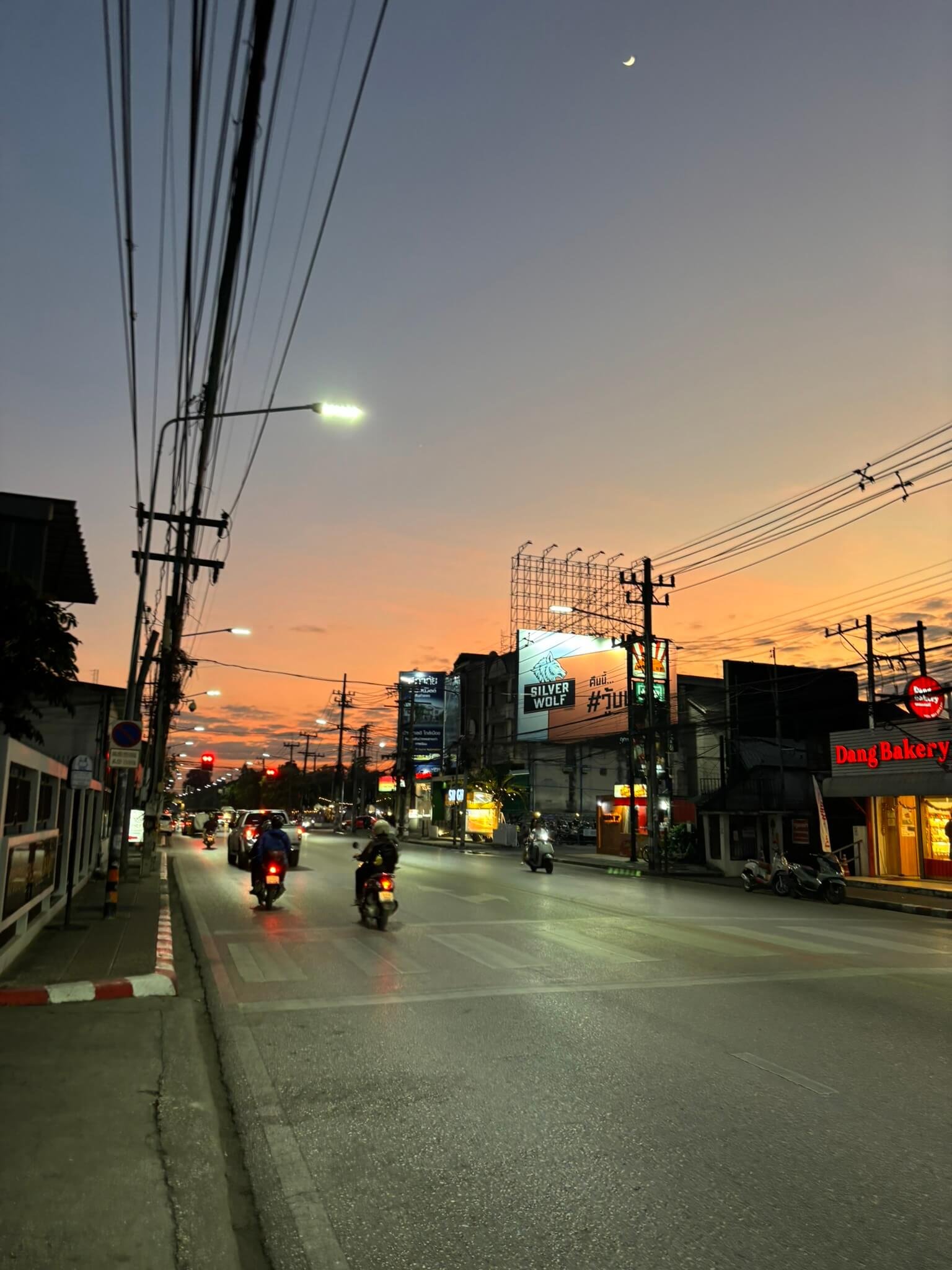
Nimmanhaemin, Nimman for short, is the modern, trendy side of Chiang Mai, just west of the Old City near Maya mall and the One Nimman plaza. It is the cafe-and-coworking heart of the city and the default digital nomad base, so it suits anyone here to work remotely, cafe-hop, or settle in for weeks rather than days.
This is where most of my own city stays have been. I have paid for and reviewed Kokotel Chiang Mai Nimman (7.5/10 Good) and Travelodge Nimman Chiang Mai (7.5/10 Good), both solid, central, walkable bases. I have also stayed at Pingnakorn Nimman, which leans more design-forward, though the full review is not up yet so it carries no score.
The trade for all that convenience is energy. Nimman is built up and busy, with the best third-wave coffee, the most varied dining, and the liveliest after-dark scene of any central area.
Mae Rim: Mountain Resorts and Nature Escapes
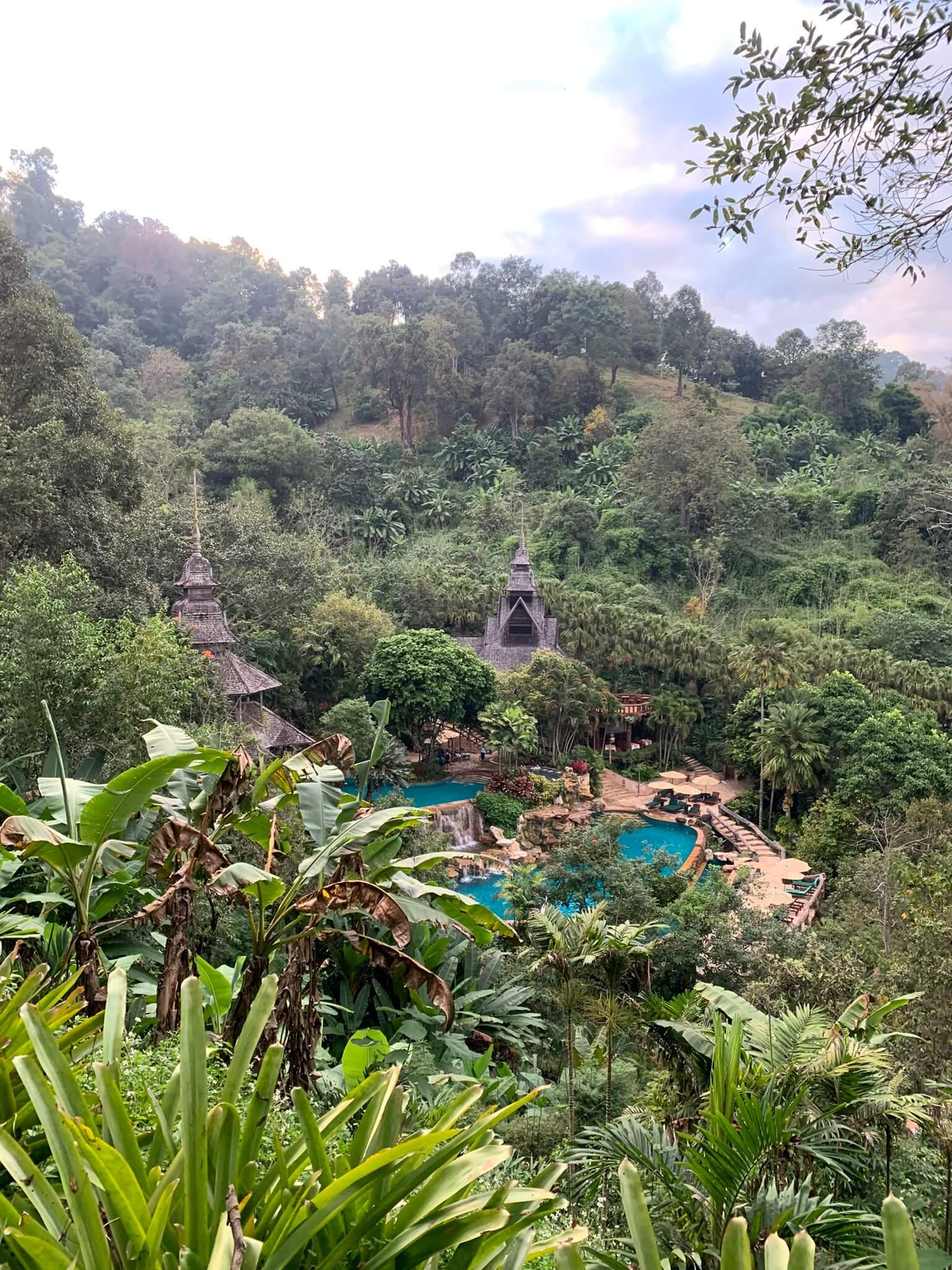
Mae Rim is the green belt of resorts and attractions north of the city. This is the area for travelers who want pools, gardens, and mountain air over walkable streets, and it is the most family-friendly base in the region, with the botanic garden, elephant camps, and zip-line parks nearby. Reckon on 20 to 40 minutes to the city center depending on how far up the valley your resort sits.
Think of Mae Rim as a base you settle into rather than walk out of. It works for families who want space and a pool to come back to, and for couples who want a quiet resort with the city kept at arm’s length. You trade nightlife and temple-hopping for calm and scenery.
My own mountain stay sits in a different valley, up at T-Story Mae Kampong (8.5/10 Excellent), which is roughly an hour east rather than in Mae Rim itself. I will flag it plainly: it is not a Mae Rim property, but it is the closest firsthand read I have on what a Chiang Mai mountain escape actually feels like, and it is my highest-scoring stay in the region.
Riverside and Wat Ket: Quiet, Upscale, River Views

Along the Ping River, especially the Wat Ket (วัดเกต) side and Charoenrat Road, the city slows down. This is the leafy, upscale pocket of old teak houses, antique shops, and riverside restaurants, and it is where the more design-led, grown-up hotels cluster. It suits couples, returning visitors, and anyone who wants calm and river views over being in the thick of it.
It is a short ride from both the Old City and Nimman, so you stay quiet without being cut off. On a second or third trip, once the temples are done, this is the area I would point people toward for a slower stay. The riverside boutique and heritage picks sit in my boutique hotels roundup as researched options.
Santitham: Local, Cheap, and Walkable to Nimman

Santitham is the local, lived-in neighborhood between the Old City and Nimman, and it is the value play. Rents and room rates are the lowest of any central area, the street food is cheap and good, and you can walk into Nimman in 10 to 15 minutes. It suits budget travelers and long-stay nomads who want Nimman access without Nimman prices.
What you get here is everyday Thai life rather than a polished tourist district. Markets, cheap eats, scooter shops, and apartment blocks where a lot of long-stayers actually live. For a month in Chiang Mai on a tight budget, this is the smart base.
Chang Klan and the Night Bazaar: Markets and Big Hotels

The Chang Klan strip, built around the nightly Night Bazaar between the Old City and the river, is the most conventional tourist base in the city. This is where the larger international hotels and full-service chains cluster, the kind with big pools, lifts, and predictable breakfasts. It suits shoppers who want the market on the doorstep and families who want a reliable big hotel in a central spot.
It earns its place for one reason: if you want a proper full-size hotel with a real pool, near markets and a short ride from everything, this strip has the deepest supply of it.
Every hotel I score on this site is one I paid for in full, out of pocket. No press trips, no comped rooms, and no paid placements in this guide.
If it is your first trip and you want temples and walkability, stay in the Old City. If you are working remotely, cafe-hopping, or staying a while, Nimman is the obvious base, and it is where my reviewed city stays sit. If you are counting baht, Santitham gives you Nimman access for less.
If you want nature, a pool, and space for a family, head to Mae Rim. If you want quiet and river views on a return trip, choose the riverside. And if you want a big hotel with a real pool next to the markets, the Night Bazaar strip is the easiest pick.
Once you have the area, line up the actual rooms. Start with the Chiang Mai hotels hub for every reviewed city stay, and the boutique hotels roundup if design and character matter most. When you are ready to get out of town, the Chiang Dao day trip and a mountain night at T-Story Mae Kampong are where I would go next.
Where to Stay in Chiang Mai: Practical Notes
Where to Stay in Chiang Mai: FAQ
What is the best area to stay in Chiang Mai for first-timers?
The Old City for temples and walkability, or Nimman if you also want cafes, dining, and nightlife. Both are central and easy to get around. The Old City keeps you next to the historic sights, while Nimman gives you the liveliest food and coffee scene a short ride away.
Is it better to stay in the Old City or Nimman?
Choose the Old City if you want to walk to temples, markets, and the Sunday Walking Street, and you value a quieter, more historic feel. Choose Nimman if you want cafes, co-working, varied dining, and nightlife, and you do not mind short rides to the historic sights. My own reviewed city stays are both in Nimman.
Where should digital nomads stay in Chiang Mai?
Nimman is the default digital nomad base, with the most cafes, co-working spaces, and long-stay rooms. If you want the same access for less money, Santitham sits a 10 to 15 minute walk away and is the cheapest central neighborhood, popular with long-stayers on a budget.
Where is the cheapest place to stay in Chiang Mai?
Santitham, the local neighborhood between the Old City and Nimman, has the lowest room and apartment rates of any central area, with guesthouse and apartment rooms often around 400 to 800 baht a night, plus cheap street food and walkable Nimman access. The Old City also has plenty of budget guesthouses if you want to be closer to the temples.
Where should I stay in Chiang Mai with family?
Mae Rim, about 30 minutes north, is the most family-friendly base, with resort pools, gardens, and nearby attractions like the botanic garden and elephant camps. For families who want to stay central, the Night Bazaar strip on Chang Klan has the deepest supply of large hotels with proper pools.
How many nights do you need in Chiang Mai?
3 to 4 nights covers the Old City temples, Nimman cafes, and a day trip north. Add 2 or more nights if you want a mountain or riverside stay on top, or if you are settling in to work remotely. The city rewards a slower pace, so longer stays rarely feel too long.